Table of Contents
ToggleTiny homes demand creative thinking. Every square foot counts, and wasted ceiling height is money left on the table. That’s where loft-style designs shine, they transform unused vertical space into functional living or storage areas. Whether you’re renovating a small house, cabin, or building from scratch, understanding how to leverage lofts can double your usable space without expanding your footprint. This guide walks you through seven practical design solutions that work in real tiny homes, not just glossy magazine spreads.
Key Takeaways
- Tiny home loft ideas maximize unused vertical space, with a single sleeping loft able to free up 100+ square feet of floor space for kitchens, dining, or workspaces.
- Safe loft construction requires proper framing with 2×10 joists on 16-inch centers and minimum 3 feet of clearance above mattresses to prevent code violations and safety hazards.
- Wall-mounted and floating shelving solutions preserve floor space while keeping belongings accessible—use solid wood or supported plywood with lag bolts anchored to studs for secure installation.
- Multi-purpose furniture such as beds with built-in drawers, murphy desks, and lofted beds with workspaces underneath are essential in tiny homes to maximize every square foot.
- Strategic lighting with layered fixtures, LED strips, and mirrors alongside light wall colors and minimal visual clutter create a sense of openness and make compact interiors feel more spacious.
- Tiny home loft designs solve the core problem of limited horizontal space while providing psychological benefits like visual separation without permanent walls, making compact living genuinely comfortable.
Understand The Appeal Of Loft-Style Tiny Homes
Lofts solve a core problem: horizontal space is limited, but vertical space often goes untapped. A single loft bedroom above a living area can free up 100+ square feet of prime real estate below, room for a proper kitchen, dining area, or workspace that actually functions.
The appeal goes beyond math. Lofts create a sense of separation without permanent walls, giving occupants psychological breathing room. Someone sleeping in a raised bed isn’t staring at the kitchen sink from 6 feet away. The visual break matters in tight quarters.
Building or retrofitting a loft does require solid framing. Joists must support live loads (sleeping people, stored items) safely. Most residential codes expect 40 pounds per square foot for sleeping areas. This isn’t something to improvise with, undersized lumber or weak fasteners create a safety hazard and a potential code violation.
Use Vertical Storage To Reclaim Valuable Floor Space
Floor-level storage kills tiny homes. A dresser, bookcase, or shelving unit eats square footage you can’t afford to lose. The fix: climb the walls.
Floor-to-ceiling storage columns, narrow shelving towers, and wall-mounted cabinetry keep belongings accessible without consuming walking space. Stacked storage above doorways, over windows, and along any blank wall becomes second nature in compact layouts. The key is honesty about what you actually use, tiny homes expose clutter immediately.
Consider open shelving in high-traffic areas and closed storage (cabinet doors or concealed shelves) for items you don’t access daily. Visual clutter and material clutter both make tiny homes feel cramped. This is where smart organization shines. Recent <a href="https://mountain-view-motel.com/home-renovation-ideas-techniques/”>home renovation ideas and techniques emphasize vertical solutions as a core tactic for maximizing functionality.
Wall-Mounted Shelving And Floating Solutions
Floating shelves are the workhorse of vertical storage. A 24-inch floating shelf weighs little but holds surprising weight when anchored into wall studs with appropriate fasteners (lag bolts or heavy-duty bracket systems rated for 50+ pounds).
Materials matter. Solid wood shelves sag less than plywood over long spans. For a 36-inch span, opt for 1.5-inch-thick hardwood or plywood with a steel tube underneath (concealed by the shelf edge). Install French cleats, two interlocking strips of beveled wood, for easier installation and load distribution.
Measure twice and locate studs before drilling. A stud finder ($20–$50) beats guesswork. Shelves hung into drywall alone fail under load. If studs don’t align where you want shelves, install a horizontal backing board (called a ledger) anchored to studs, then fasten shelves to that.
Design A Functional Sleeping Loft Above Living Areas
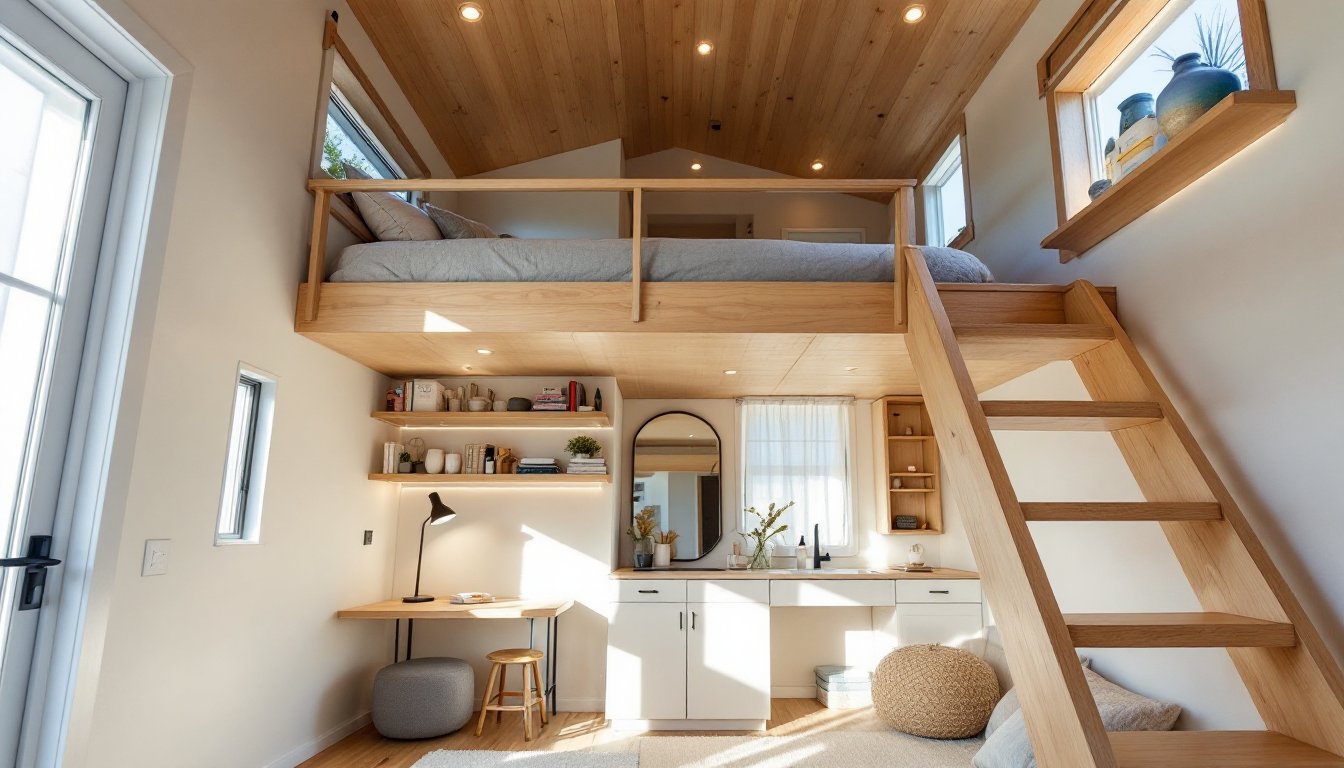
A sleeping loft above the living room or kitchen reclaims floor space and creates a private sleeping zone. The practical limits: minimum 3 feet of clearance above the mattress (head bump-free), and a safe means of access (stairs, ladder, or ramp).
Stairs take up floor space but are safer and more accessible than ladders for daily use. A 3-step stair unit (compact enough for tiny homes) runs 3–4 feet deep. Ladders save space but aren’t ideal if young children, elderly residents, or anyone with mobility issues live in the home.
Framing the loft requires understanding load paths. The loft deck (floor) needs adequate support, typically 2×10 joists on 16-inch centers, depending on span and anticipated load. A single sleeping loft (400+ pounds of occupant, bedding, and personal items) requires different framing than a multi-use loft that’ll hold a desk, exercise equipment, and storage boxes.
Headroom below the loft matters too. If the loft sits 4.5 feet high, standing clearance underneath is compromised. Some solutions: rig the loft higher (5.5–6 feet to the deck bottom) if ceiling height allows, or accept that the space below works best for relaxing or storage that doesn’t require standing room. Building codes vary by jurisdiction, but many require minimum 6.8-foot ceiling clearance in habitable spaces. Check local IRC (International Residential Code) requirements before framing. Professional consultation is worth the cost if you’re uncertain about span, load, or code compliance.
Choose Multi-Purpose Furniture That Works Harder
Every piece of furniture in a tiny home should earn its place through dual or triple function. A bed with built-in drawers underneath adds storage without a separate dresser. A dining table that folds or extends makes sense, it’s small when unused, expanded only when needed.
Ottomans with internal storage, murphy desks that fold into walls, and nesting tables replace traditional standalone pieces. The trade-off: flexibility sometimes means sacrifice. A murphy bed folds into a wall or cabinet during the day, freeing floor space but requiring you to set it up and clear the area before sleep.
Lofted beds with workspace underneath (desk, small kitchen counter, or lounge seating) are common in tiny homes. A 4×8-foot loft might have a single mattress up top and desk workspace below. This stacks functionality into a compact footprint. Ensure the framing supports both the loft occupant weight above and any pulling/leaning forces from the desk work below.
Look for pieces designed for small spaces, brands specializing in apartments and compact homes often provide well-thought-out options. Avoid large sectionals, hutches, or entertainment centers: they consume precious square footage and trap visual clutter. Neutral, lightweight-looking furniture (slim legs, minimal bulk) also makes tiny spaces feel less cramped. Home renovation ideas for beginners often overlook furniture selection, but it’s critical to overall functionality.
Create Visual Openness With Strategic Lighting And Color
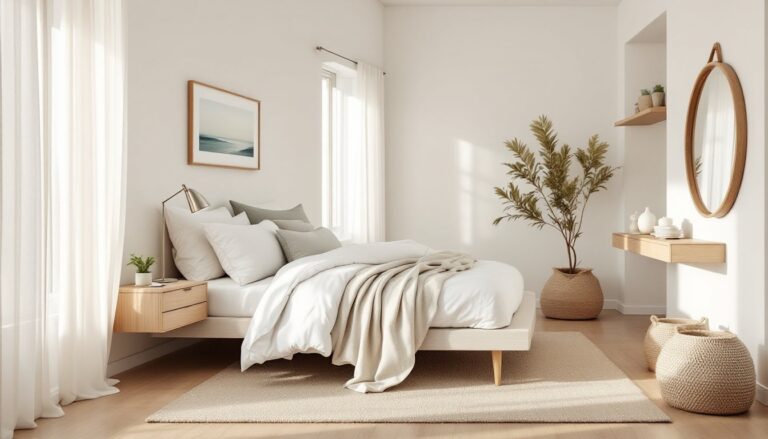
Lighting and color psychology do heavy lifting in tiny homes. Dark colors absorb light and make spaces feel smaller. Pale walls, light wood tones, and minimal visual clutter open up a room. This doesn’t mean everything is white, soft grays, warm beiges, and pale blues work well, but avoid dark accent walls in small spaces.
Layered lighting is essential. A single overhead fixture creates harsh shadows and doesn’t illuminate corners. Combine recessed ceiling lights (spaced 4–6 feet apart for even coverage), under-shelf LED strips (illuminating work surfaces and making shelves feel lighter), and adjustable task lighting (desk lamps, reading lights). LED bulbs cut energy costs and produce less heat than incandescent options, important in small, enclosed spaces.
Mirrors amplify perceived space. A large mirror opposite a window bounces natural light and creates the illusion of depth. Place mirrors strategically, above a sink, on a small hallway wall, or on a loft wall, to multiply light and open sightlines.
Windows (if present) are precious. Avoid heavy drapes: opt for sheer or light-filtering curtains that soften daylight without blocking it. If privacy is an issue, interior sheer curtains combined with roller shades give you both control and light transmission. Natural light is free, abundant, and makes tiny spaces feel expansive. Organizations like Apartment Therapy offer countless examples of how lighting and color transform compact interiors. Proper lighting and neutral palettes aren’t luxuries, they’re structural decisions that affect how the home functions.
Conclusion
Loft-style tiny homes aren’t just trendy, they’re a practical response to space scarcity and rising housing costs. By stacking functions vertically, choosing furniture that pulls double duty, and using light and color strategically, homeowners can live comfortably in surprisingly compact footprints. Start with one solution (floating shelves, a sleeping loft, or better lighting) and build from there. Small spaces reward intentional design.