Table of Contents
ToggleBuilding a home bar is one of the most satisfying DIY projects you can undertake, and the countertop is its centerpiece. Whether you’re converting a corner of your kitchen, finishing a basement wet bar, or upgrading an existing setup, the right bar countertop material shapes both durability and style. In 2026, homeowners have more options than ever, from sleek quartz to rustic reclaimed wood, and understanding the pros and cons of each helps you make a choice that matches your lifestyle, budget, and aesthetic. This guide walks you through seven standout bar countertop ideas, each with honest details about installation, maintenance, and longevity so you can pick the finish that works for your space.
Key Takeaways
- Bar countertop ideas range from low-maintenance quartz to characterful reclaimed wood, each offering distinct durability, maintenance, and cost trade-offs suited to different lifestyles.
- Quartz countertops provide the best balance of durability and ease, requiring only soap and water care with no sealing needed, making them ideal for high-traffic home bars.
- Natural stone like granite offers timeless elegance but demands professional sealing every 3-5 years and custom installation, adding significant long-term maintenance costs.
- Reclaimed wood and butcher block deliver rustic warmth and aesthetic appeal but require monthly oiling, immediate spill cleanup, and annual finish reapplication to prevent water damage.
- Concrete and tile countertops enable custom design and affordability but demand professional application, protective coatings, and ongoing grout or sealant maintenance.
- Choose your bar countertop material based on three factors: daily use intensity, your willingness to maintain the surface, and your budget for both installation and long-term upkeep.
Granite Countertops: Timeless Elegance and Durability
Granite remains a heavyweight champion for bar countertops. This natural stone is born from volcanic activity and comes in virtually infinite color variations, blacks, whites, reds, greens, and multihued mixtures that catch the eye and complement any décor. Its density makes it incredibly hard and heat-resistant, so you won’t worry about hot glasses or spilled liquids damaging the surface.
The trade-off is maintenance and initial cost. Granite is porous, meaning it requires sealing before installation and resealing every 3 to 5 years to prevent staining and water damage. A professional seal runs $150–$300 per application, depending on countertop area. DIY-grade granite sealers exist but require diligence: improper application leaves dry spots where water and alcohol will soak in and etch the stone. Installation demands professional fabrication, you’ll need custom cutting for sink openings, edge profiles, and seams, adding $1,500–$3,000+ to material costs depending on size and complexity. Granite chips and cracks under impact, so it’s not the material for a high-traffic, high-impact bar in a college basement setup.
Quartz Countertops: Low-Maintenance Luxury
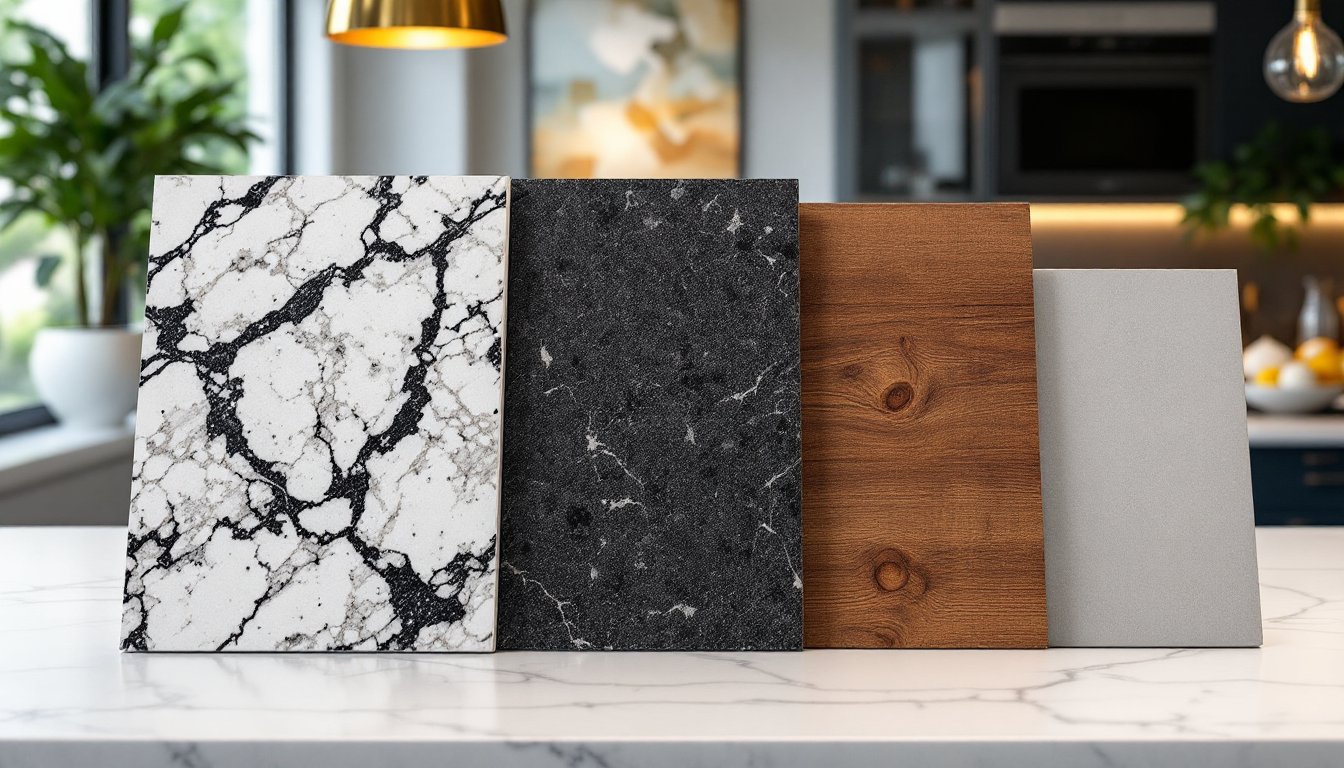
Quartz has surged in popularity over the past decade, and for good reason. It’s an engineered composite, roughly 93% crushed quartz bound with polyresin and pigments, which gives manufacturers control over color, pattern, and finish. You get the hard, luxe look of stone without the porous downside. Quartz resists staining, scratches, and heat far better than granite: spilled red wine or coffee won’t seep into the surface.
Maintenance is straightforward: wipe with a damp cloth and mild soap. No sealing, no fussing. Most residential quartz carries a 10–15 year warranty. Cost sits slightly higher than granite, $2,000–$4,000+ installed, but the longevity and zero maintenance offset the upfront expense. Installation is similar to granite: you need a fabricator to cut and edge the slab. One catch: extreme heat can damage the resin binder, so use trivets under hot pans and avoid placing a hot skillet directly on the surface. For a bar where glasses and bottles dominate, quartz is an excellent, low-stress choice.
Reclaimed Wood and Rustic Finishes
Reclaimed wood countertops bring warmth and character that few materials match. Salvaged barn wood, old growth timber, or hand-distressed new wood create a cozy, lived-in vibe perfect for casual home bars. The grain, knots, and weathered patina tell a story and feel approachable, inviting friends to gather around rather than stand back admiring.
The honest catch: wood requires serious upkeep. Even sealed wood is vulnerable to water stains, alcohol rings, and warping if moisture penetrates the surface. You’ll need to oil or wax the countertop monthly and reapply finish annually. Spills must be wiped immediately, especially spirits and acidic mixers. Wood also hosts bacteria in knife marks and grain, so a bar surface demands more sanitation than a casual kitchen cutting board. Reclaimed wood counters run $1,500–$3,000+ installed, and installation typically involves custom milling and edge-banding for a polished look. If you love the rustic aesthetic and are willing to baby the surface, reclaimed wood delivers unmatched charm. For a low-effort bar, pick something else.
Concrete Countertops: Modern and Customizable
Concrete is the darling of modern, industrial bar designs. You pour and finish it on-site or have slabs cast off-site and installed, then trowel-finish, polish, or stain the top surface. The upside? Total customization, integral color, embedded stones, glass, copper wire, or logos baked right into the mix. Concrete edges can be rounded, beveled, or left raw. Poured in place, concrete melds seamlessly with curved bar stools or wraparound designs that would be expensive or impossible in stone.
Concrete demands protection and patience. Fresh concrete is porous and will stain from water, alcohol, and acidic beverages. You must apply a penetrating sealer (similar to granite) and a topcoat, either wax, polyurethane, or commercial bar-top epoxy, to create a water and alcohol barrier. Professional pouring, finishing, and sealing runs $2,000–$4,000+ and requires a skilled finisher: DIY concrete countertops are doable but demand precision and practice. Cracks can appear as concrete cures and ages, adding character or frustration depending on your outlook. The payoff is a one-of-a-kind statement piece that photographs beautifully and handles the casual abuse of a home bar better than wood.
Butcher Block and Live-Edge Options
Butcher block, thick, glued-up strips of hardwood typically maple, walnut, or cherry, offers a warm, artisanal aesthetic that sits between rustic and modern. Properly finished, it’s food-safe and durable for light to moderate use. Live-edge slabs (where the natural tree edge is left exposed) add drama and are trendy for contemporary bars, especially paired with metal legs or industrial frames. Both create an inviting, craft-forward impression that resonates with DIY-minded homeowners.
Butcher block is less forgiving than you might think. It expands and contracts with humidity swings, so seasonal gaps and cupping can occur if not acclimated and sealed properly. Like wood, it stains and rings easily and demands regular oiling to maintain water resistance. Alcohol, citrus, and hot glasses will mark the surface without protection. Installation isn’t complicated, you can install pre-made butcher block slabs yourself if you have basic carpentry skills and the right fasteners, but the finish work (sanding, staining, oiling) takes time. Material cost ranges from $800–$2,500 depending on wood species and thickness. If you’re comfortable with wood maintenance and love the tactile, warm feel, butcher block is rewarding. Many owners find the patina that develops over time is part of the appeal.
Tile and Stone Mosaic Designs
Tile offers flexibility, affordability, and personality. A mosaic of ceramic, porcelain, or natural stone tiles lets you design a custom pattern that reflects your style, Mediterranean, southwestern, modern geometric, or eclectic bohemian. Porcelain is harder and less porous than ceramic, making it a smarter choice for a bar where liquid spillage is constant.
Tile’s biggest weakness is grout lines. Grout is porous and absorbs liquid unless sealed: spilled cocktails will seep in, stain, and attract bacteria. Cleaning grout requires work, and re-grouting or sealing every few years is standard maintenance. Mosaic installation is fussy, uneven tiles or sloppy grout joints look amateurish, so many DIYers hire pros. Seams also catch drink bottles and make certain bar activities (stacking glasses, sliding bottles) slightly awkward. Material costs are modest, $500–$1,500 for tile and materials, but professional installation adds $1,000–$2,500. Tile works beautifully for a kitchen bar extension or a statement accent section, but full-length bar countertops in tile require commitment to grout care and a willingness to work around the joint lines.
Choosing the Right Material for Your Bar Space
Your choice depends on three interlocking factors: use, maintenance tolerance, and budget. A high-traffic home bar that sees daily use and guests demands durability and low fussiness, quartz or polished concrete edge out wood or tile. A secondary or boutique bar in a wine cellar or game room where you control climate and traffic can afford more delicate choices like reclaimed wood or granite.
Consider installation realities. Granite and quartz require professional fabrication and installation: concrete and tile might allow DIY work if you have the skill set. Wood, butcher block, and tile are more accessible for hands-on installation but demand finishing and sealing expertise. Builders and designers at Remodelista countertops and other home design resources showcase completed bar projects that can spark ideas and show finished results before you commit. Research home renovation cost guides to check pricing in your region, material and labor rates fluctuate by location and market. Inspect samples in person and under your actual lighting: a quartz color that shines in a showroom may look flat at home. If you’re torn, ask yourself: Do I want to wipe and go, or am I willing to maintain the surface? Is durability paramount, or is aesthetic impact the priority? The answer clarifies which material fits your life.