Table of Contents
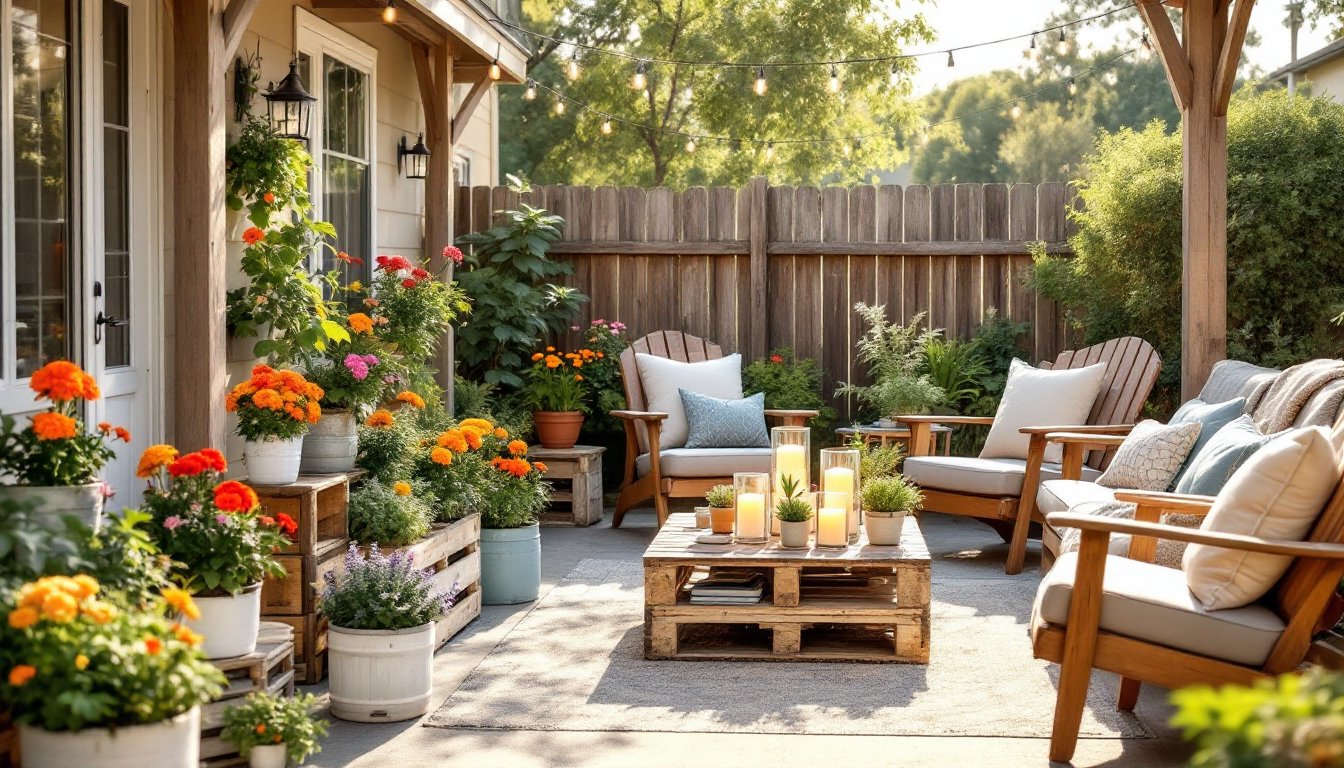
ToggleA great patio doesn’t have to drain your wallet. Whether you’ve got a small balcony or a sprawling deck, patio decor on a budget is entirely achievable with smart shopping, a little creativity, and some elbow grease. The trick isn’t spending more, it’s spending smarter. This guide walks through ten practical, budget-friendly patio decor ideas that’ll transform your outdoor space without requiring a contractor’s estimate. From repurposing materials you already own to hunting seasonal sales, you’ll learn how to create an inviting outdoor oasis that looks professionally designed but cost a fraction of what that would actually run.
Key Takeaways
- Patio decor on a budget is achievable through smart shopping, upcycling, and DIY projects rather than expensive contractor solutions.
- Upcycling household items like wooden pallets, mason jars, and tin cans into planters and furniture costs almost nothing and transforms your outdoor space.
- Solar-powered and LED string lights provide affordable evening ambiance for $15–$40, with solar options requiring zero electricity costs.
- Sanding and staining weathered patio furniture or spray-painting metal pieces extends their lifespan at a fraction of replacement costs.
- Shopping seasonal clearance sales (August–September) and secondhand markets like Facebook Marketplace can cut your total patio decor budget in half.
- Propagating plant cuttings from friends’ gardens and buying annuals from budget retailers creates lush greenery for pennies per plant.
Repurpose and Upcycle Materials for Instant Savings
One of the fastest ways to keep patio decor costs down is to stop viewing old stuff as junk. That wooden ladder leaning in your garage? It’s a plant display. Vintage mason jars become lantern holders or drinking glasses. Wooden pallets can be sanded down and transformed into coffee tables, seating, or wall art. The beauty of upcycling is that it costs almost nothing beyond supplies you likely already have, sandpaper, paint, maybe a few fasteners.
Before throwing anything out, ask yourself whether it could work outdoors. Old tin cans painted your favorite color make charming planters. Wooden crates stack into shelving units. Even an old door can become a privacy screen or wall-mounted shelf with minimal effort. Budget homeowners on sites like Young House Love regularly document their upcycled furniture projects, showing how a $20 salvaged piece becomes an $200 showstopper after some refinishing.
DIY Planters From Household Items
Planters are central to patio appeal, and buying them new adds up fast. Instead, raid your pantry and recycling bin. Galvanized buckets (available cheaply at hardware stores) make excellent modern planters when grouped in odd numbers. Old colanders, wooden boxes, and even worn-out measuring cups work beautifully. The key is drilling drainage holes in the bottom, grab a standard ¼-inch drill bit and make 4–6 holes per planter to prevent waterlogging.
For a sleeker look, paint planters with exterior-grade acrylic paint or spray paint. Two coats applied to clean, dry surfaces last significantly longer than one. Line the bottom with landscape fabric before adding soil to extend the life of wood-based containers. Grouping mismatched planters of varying heights creates visual interest without looking scattered, keep them in a single color palette (all whites, all grays, or all terra-cotta tones) to tie everything together cohesively.
Add Lighting Without Breaking the Bank
Lighting transforms a patio from daytime-only to evening sanctuary, and budget options abound. Solar-powered string lights cost $15–$30 and require zero wiring or electricity. They charge during the day and glow all evening, with zero running costs. Mason jar solar lights, fairy lights strung overhead, and solar stake lights all deliver ambiance without complexity.
If you want more brightness, consider LED string lights powered by an outdoor outlet (assuming you have one). They’re cheaper than halogen or incandescent options and last far longer. One strand of 50 warm-white LEDs costs around $20–$40 and draws minimal electricity. Drape them overhead, wrap them around trees, or tack them to fence posts in a zig-zag pattern.
Candles in glass hurricanes add coziness and cost almost nothing if you already own the glasses. Pair them with outdoor-safe candles (beeswax or soy burn cleaner than paraffin). Grouping several in corners or along steps creates focal points without electrical investment. For hardscaping like a concrete patio, steel or plastic lanterns holding battery-operated candles provide the warmth of flame with zero fire risk, important if you live where fire codes restrict open flames.
Use Paint and Stain to Transform Furniture
A gallon of exterior-grade deck stain costs $30–$50 and covers roughly 350 square feet, making it the cheapest way to refresh tired wood furniture. If your patio furniture is weathered but structurally sound, sanding and staining takes a weekend and looks intentional, not like you’re making do.
Start by cleaning furniture with a deck cleaner or diluted bleach solution (1 part bleach to 10 parts water). Let it dry fully, then sand with 80-grit sandpaper to rough up the surface and remove loose material. Wipe away dust with a tack cloth, then apply stain with a brush, working with the wood grain. Two thin coats beat one thick coat: allow 24–48 hours between coats and before using the furniture.
For metal chairs or tables, rust-oleum rust-preventative spray paint works wonders. Give them a light sanding first, prime if necessary, then spray two thin coats. Avoid painting on a windy day, and keep the can 8–10 inches from the surface. Painted furniture on sites like Addicted 2 Decorating shows how garden furniture gets a second life with thoughtful color choices, usually matte black, sage green, or cream for timeless appeal.
Create Texture With Affordable Textiles and Rugs
Textiles, throw pillows, outdoor rugs, and blankets, add warmth and visual interest without structural changes. An outdoor area rug (indoor-outdoor blend) anchors seating and defines spaces. Look for sales at big-box retailers: a 5×7 outdoor rug often drops to $40–$80 on clearance. Layering a smaller rug over a larger one creates depth and hides wear patterns.
Throw pillows soften edges and invite lingering. Mix sizes and patterns (two larger pillows with smaller accent pillows works well), but stick to a cohesive color range. Outdoor fabric resists fading and mildew better than cotton, so prioritize that when shopping. You’ll find decent options at discount retailers for $8–$15 per pillow.
Outdoor blankets draped over chairs or a side table add softness and are practical when evenings cool. They’re also easy to wash and replace if weather-damaged. Mixing materials, some woven, some knitted, creates visual richness without overspending. The goal is layering cheap, easily replaceable items rather than investing in one pricey rug that must last forever.
Shop Secondhand and Seasonal Sales
Seasonal clearance is a goldmine. End-of-summer sales (August–September) slash patio furniture and decor by 50–70%. Many retailers mark down outdoor items aggressively once fall arrives because indoor furniture takes priority in their marketing. Shop end-of-season, not beginning, patience saves real money.
Secondhand markets deserve serious attention. Facebook Marketplace, Craigslist, and local buy-sell groups often have barely-used patio sets, planters, and decor items from people upgrading or moving. Estate sales frequently feature quality outdoor furniture at a fraction of retail. Inspect for structural damage (wobbly legs, rust, splintering), but cosmetic issues are fixable with refinishing.
Thrift stores and ReStores (run by Habitat for Humanity) carry paint, hardware, and sometimes furniture. Prices are unpredictable but often unbeatable. Set alerts on apps and check listings weekly, good deals disappear fast. Buying off-season and secondhand requires flexibility, but combining both strategies can cut your total budget in half.
Maximize Greenery With Low-Cost Plants and Arrangements
Plants are patio decor’s unsung hero and cost less than most people think. Skip high-end nurseries for grocery stores or big-box home improvement chains, same plants, lower prices. Annual flowers (marigolds, zinnias, begonias) cost $2–$4 per cell pack and fill gaps quickly. Perennials cost more upfront but return year after year, spreading the investment across seasons.
Propagation saves the most. A single pothos or philodendron cutting propagates in water or soil within weeks, giving you multiple plants from one parent. Ask gardening friends for cuttings (most are happy to share). Succulents multiply freely, even fallen leaves can be pressed into soil and will eventually root. This approach costs pennies per plant and feels rewarding.
Create height and interest by grouping plants in clusters rather than lining them evenly. Odd numbers (3, 5, 7 pots) feel more natural than pairs. Combine tall plants (ornamental grasses, small shrubs) with trailing varieties (creeping jenny, string of pearls) and compact bloomers (petunias, impatiens). Explore resources like Gardenista for design inspiration on arranging plants effectively. Mix container sizes and materials, it looks intentional and accommodates different root systems affordably.